Artificial intelligence is becoming one of the most influential technologies shaping the modern world. From automated business operations and intelligent customer support to healthcare innovation and personalised digital experiences, AI is changing how people work and interact with technology.
As organisations invest more heavily in intelligent systems, 2027 is expected to bring significant developments in automation, AI-powered infrastructure and autonomous digital assistants. Businesses, employees and consumers will need to adapt to these changes to remain competitive in an increasingly technology-driven environment.
AI Trends 2027: The Biggest Developments to Watch
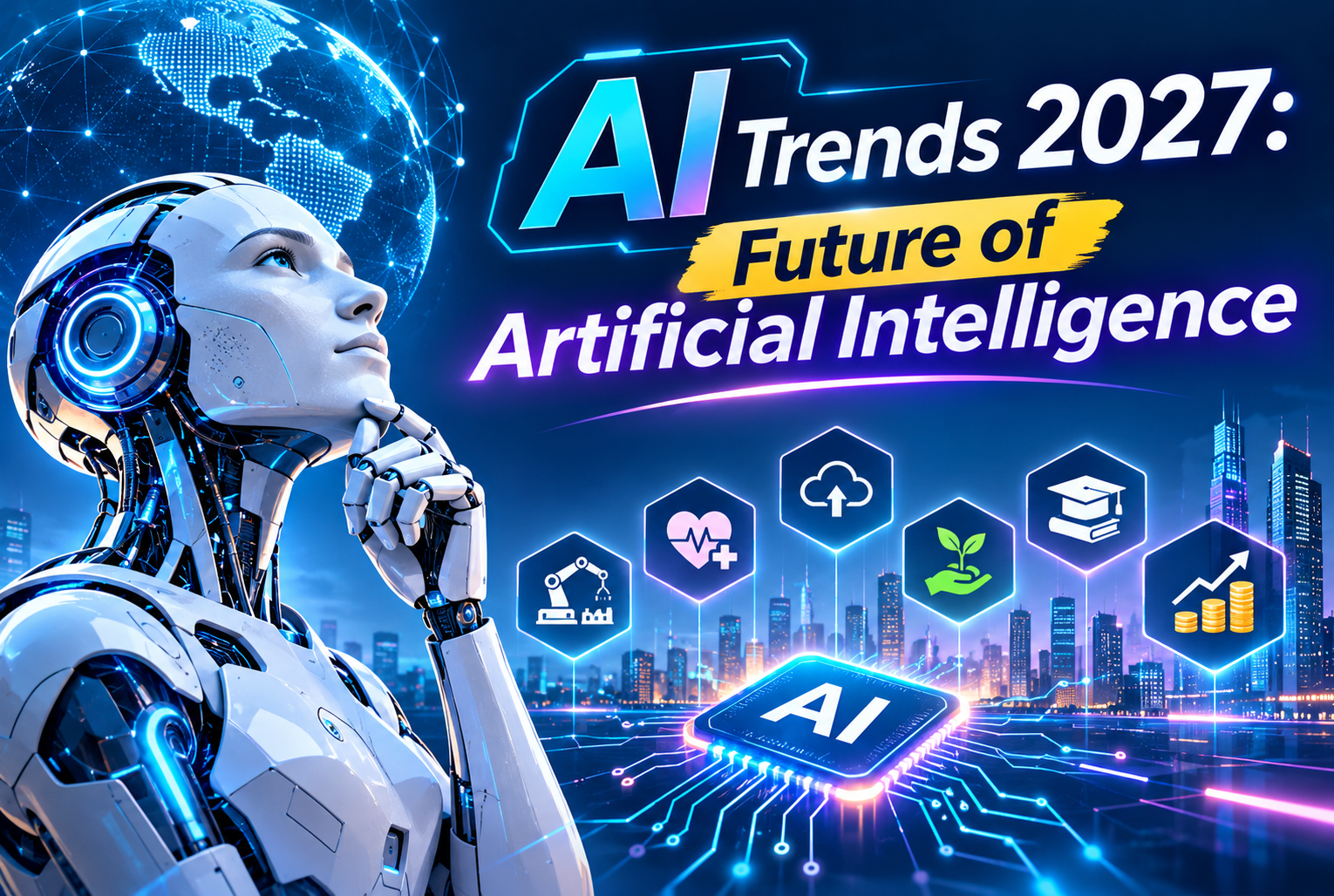
The AI Trends 2027 landscape will be shaped by several important developments, including agentic AI, advanced automation, AI infrastructure and responsible technology adoption.
According to Gartner's AI spending forecast for 2027, investment in AI infrastructure is expected to become a major part of global AI spending. This highlights the growing importance of computing power, data centres and specialised hardware.
Here are some developments worth watching.
1. Agentic AI Will Transform Business Operations
One of the most important developments in Artificial Intelligence 2027 will be the growth of agentic AI.
Unlike traditional AI tools that mainly respond to individual instructions, AI agents can perform multi-step tasks, use connected software and work towards defined objectives with varying levels of human supervision.
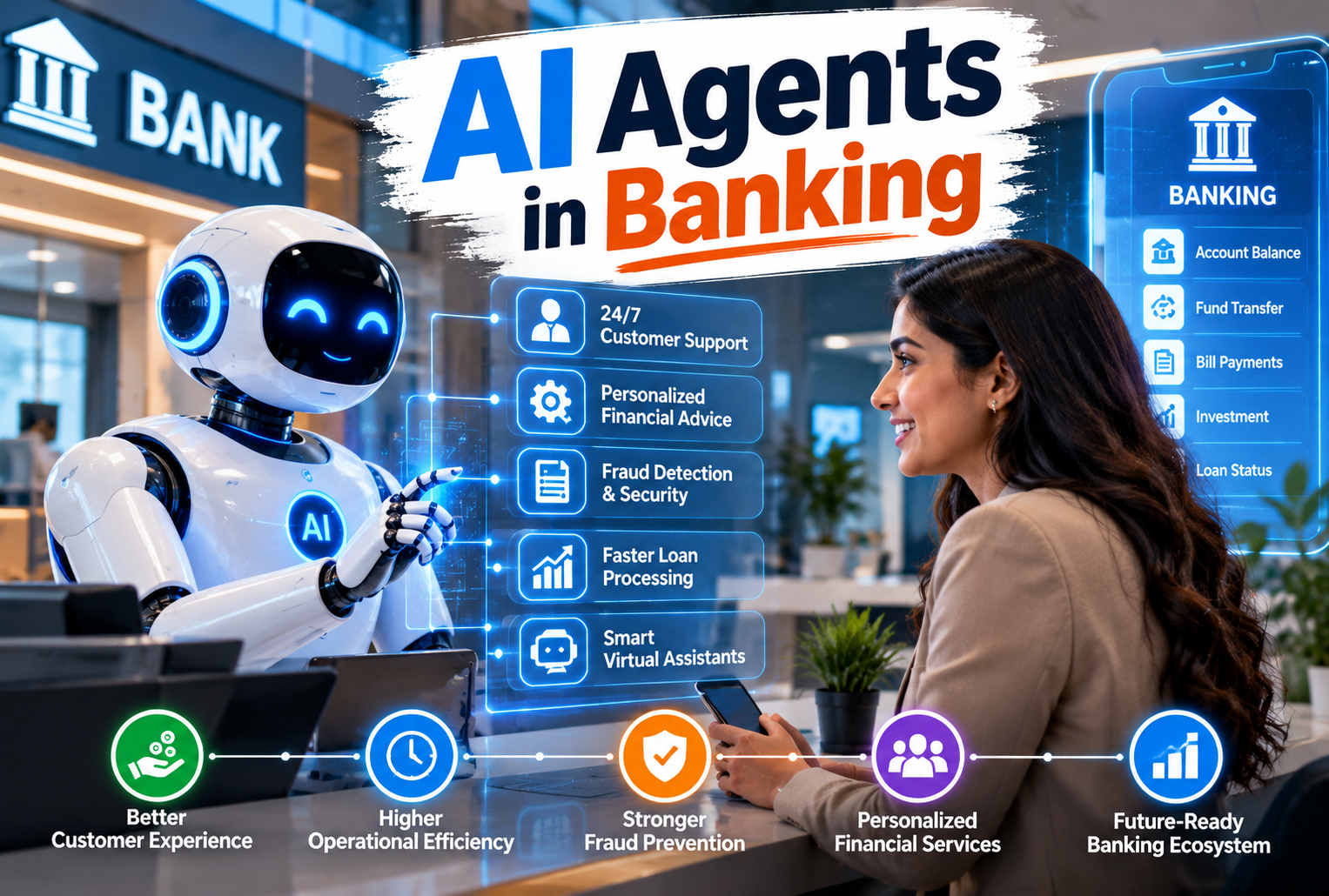
Businesses may use these systems for customer support, research, scheduling, document processing and internal workflows.
However, organisations will need proper security controls, human oversight and clear permissions before allowing autonomous systems to perform important operations.
2. AI Automation Will Change Workplace Productivity
AI automation is expected to become more deeply integrated into everyday business activities.
Companies can use intelligent systems to automate repetitive administrative tasks, analyse large datasets, generate reports and improve operational efficiency.
Industries such as manufacturing, retail, banking, logistics and marketing may benefit from these developments.
For example, manufacturers can use AI-powered predictive maintenance to identify potential equipment problems before major breakdowns occur. Retail businesses can use intelligent forecasting to improve inventory planning.
3. AI Will Create New Opportunities and Challenges for Jobs
The growing adoption of AI is changing the nature of employment. Some repetitive tasks may become automated, while demand for professionals with AI, data analysis, cybersecurity and technology management skills may increase.
Rather than replacing every job, AI is more likely to transform many existing roles by changing how tasks are completed.
Employees who develop digital skills, critical thinking and the ability to work alongside intelligent systems may be better positioned for future opportunities.
Businesses will also need to invest in employee training and reskilling.
4. AI Technology Trends Will Reshape Healthcare and Education
Healthcare and education are two sectors where AI could deliver significant benefits.
In healthcare, AI tools can help professionals analyse medical images, organise patient information and support research. These systems are intended to assist qualified professionals rather than replace medical judgement.
In education, intelligent learning platforms can offer personalised learning experiences, automated feedback and interactive study assistance.
Responsible implementation, data privacy and accuracy will remain essential in both industries.
5. AI in Everyday Life Will Become More Personalised
AI is already present in search engines, smartphones, navigation applications, online shopping and entertainment platforms.
Future developments may make these experiences more personalised through intelligent assistants that understand user preferences and help coordinate everyday activities.
People may increasingly use AI for travel planning, shopping recommendations, language translation, household organisation and personal productivity.
At the same time, users will need to understand how their personal information is collected and processed.
How Businesses Should Prepare for the Future of AI
Companies that want to benefit from emerging AI technology should focus on practical implementation rather than adopting tools simply because they are popular.
Important steps include:
-
Identify business needs: Select processes where AI can deliver measurable improvements.
-
Invest in employee training: Help teams understand AI tools and their limitations.
-
Protect business data: Establish strong cybersecurity and privacy policies.
-
Maintain human oversight: Review important AI-generated decisions and outputs.
-
Measure performance: Evaluate productivity, accuracy, costs and business results.
For more insights, read our article on AI agents and banking security risks, which explores important concerns surrounding autonomous AI systems.
The Future of AI: Challenges and Responsible Adoption
Despite its potential, artificial intelligence also introduces important challenges. Data privacy, cybersecurity threats, misinformation, algorithmic bias and copyright concerns require serious attention.
According to Gartner's strategic technology trends for 2027, emerging technologies are becoming increasingly important to business strategy.
Organisations must balance innovation with transparency, accountability and responsible governance.
You can also explore Google.org's AI initiative for Indian small businesses to understand how AI-related programmes can support business development and digital adoption.
For additional insights, visit the Artificial Intelligence category on Fork7.
Final Thoughts
The development of artificial intelligence will continue to influence businesses, employment and everyday activities in 2027. From autonomous AI agents and intelligent automation to personalised digital services, emerging technologies are creating new opportunities while introducing important responsibilities.
The Future of AI will depend not only on technological innovation but also on how effectively businesses, governments and individuals manage its risks.
Those who understand these changes, develop relevant skills and adopt AI responsibly will be better prepared for the next stage of digital transformation.