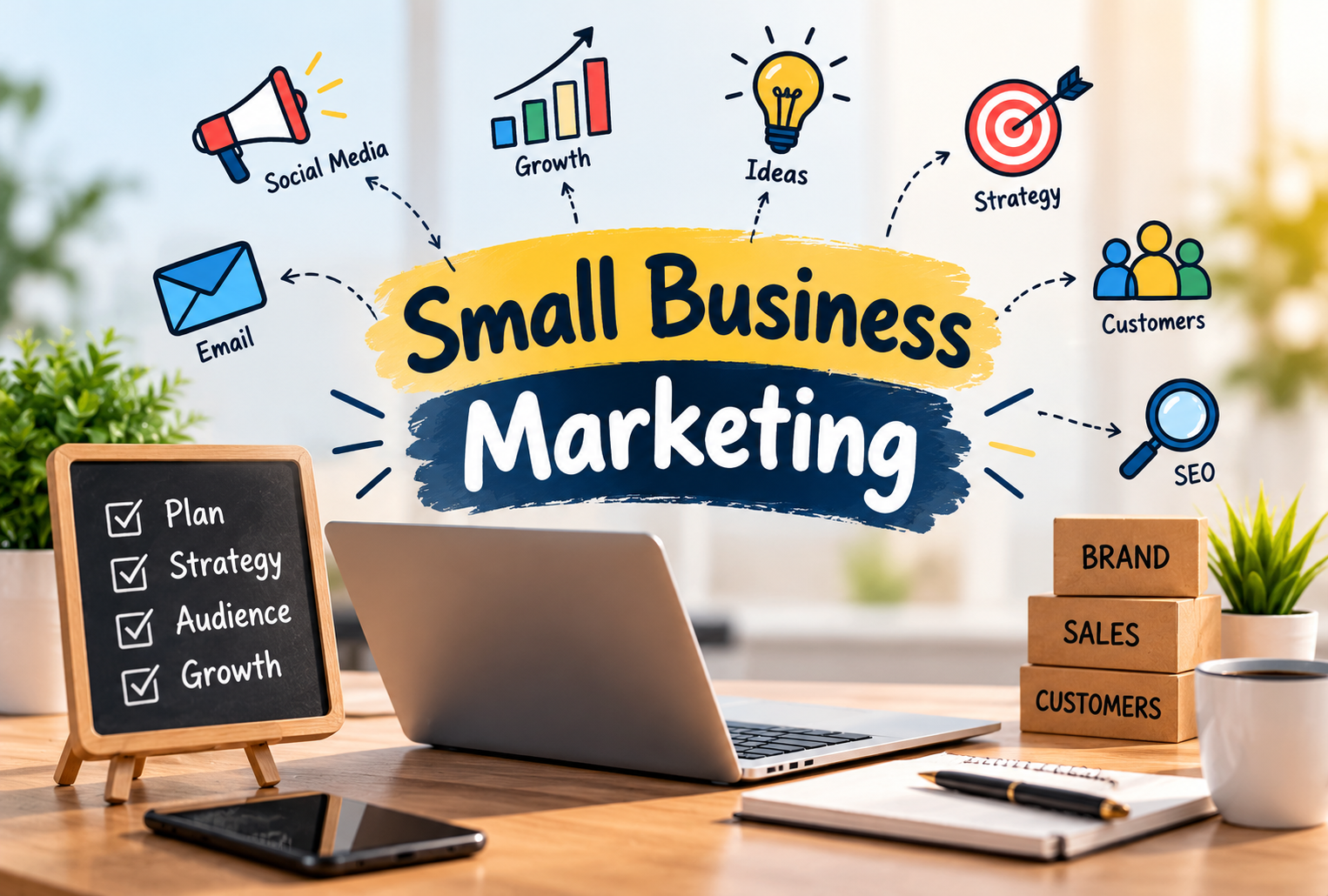
Every small business dreams of reaching thousands of potential customers through social media. A viral video, trending post, or successful advertising campaign can attract attention overnight. However, online popularity does not always translate into long-term business success.
Customers may discover a brand through viral content, but they usually make purchasing decisions based on product quality, credibility, customer service, and overall experience.
This is why effective small business marketing should focus on building meaningful relationships rather than simply generating views and likes.
Businesses that consistently deliver value can develop a loyal customer base, receive genuine recommendations, and establish a strong position in competitive markets.
Why Going Viral Is Not Enough for Business Success
Social media platforms have made it easier for small companies to reach large audiences without investing heavily in traditional advertising.
A creative Instagram Reel or engaging video may generate thousands of impressions within hours.
However, attracting attention is only the beginning of the customer journey.
If potential customers visit a business website and find confusing information, poor product descriptions, or negative reviews, they may leave without purchasing.
Similarly, a business that receives many orders after a viral campaign may struggle if its customer service and delivery operations are not prepared.
Sustainable small business growth requires consistent performance, realistic promises, and a positive customer experience.
Instead of chasing every trending topic, businesses should create marketing strategies that communicate their actual strengths.
Build Customer Trust Through Transparency
One of the most valuable assets for any business is customer trust.
People feel more comfortable purchasing from companies that provide clear information about products, pricing, policies, and services.
Share Accurate Product Information
Businesses should explain what customers are purchasing, including important features, specifications, benefits, and limitations.
Avoid exaggerated claims that create unrealistic expectations.
For example, an online clothing store should provide accurate size charts, fabric information, and delivery details.
Be Honest About Pricing
Unexpected charges can discourage potential customers.
Clearly communicate product prices, shipping fees, applicable taxes, and return conditions.
Transparent pricing helps customers make confident purchasing decisions.
Show the People Behind the Business
Customers often appreciate knowing who operates a company.
Sharing genuine photographs, employee stories, workshop activities, and behind-the-scenes content can make a business feel more approachable.
Authenticity can be more persuasive than expensive promotional campaigns.
Use Smart Digital Marketing Strategies
Successful businesses use several marketing channels to connect with customers at different stages of the buying process.
The best digital marketing strategies combine visibility, useful information, and consistent communication.
Search Engine Optimization
Search engine optimization helps businesses improve their visibility when potential customers search for relevant products or services.
For example, a local bakery might optimize its website for searches related to birthday cakes, customized desserts, and nearby bakery services.
Publishing informative blogs, optimizing page titles, and improving website navigation can support organic traffic growth.
Social Media Marketing
Social media should be used for more than product promotion.
Businesses can share educational videos, customer experiences, product demonstrations, and helpful industry information.
Content that solves customer problems often provides more lasting value than posts created only to follow trends.
Email Marketing
Email allows businesses to maintain communication with customers who have agreed to receive updates.
Useful messages may include product announcements, educational guides, exclusive offers, and relevant service reminders.
Businesses should avoid sending excessive promotional emails that may frustrate subscribers.
Why Customer Retention Matters
Attracting new customers is important, but encouraging existing customers to return is equally valuable.
Effective customer retention strategies focus on maintaining positive relationships after the first purchase.
Businesses can improve retention by offering dependable service, responding to questions, and addressing complaints promptly.
For example, a home appliance retailer can send maintenance advice after a purchase or remind customers about available service support.
These interactions demonstrate that the business values customers beyond the initial transaction.
A satisfied customer may also recommend the company to friends and family.
Manage Your Online Reputation Carefully
Before purchasing from an unfamiliar company, many consumers look for online reviews, ratings, and customer experiences.
This makes online reputation management an important part of business development.
Businesses should monitor reviews across relevant platforms and respond professionally to feedback.
Positive reviews can demonstrate credibility, while constructive responses to complaints show accountability.
Learn more about reputation management on Wikipedia.
Encourage Genuine Customer Reviews
After completing an order or service, businesses can politely invite customers to share their experiences.
Avoid purchasing fake reviews or offering misleading testimonials.
Authentic feedback provides more meaningful information to future customers.
Respond to Negative Feedback
Negative reviews should not automatically be treated as attacks.
They may reveal problems involving product quality, communication, delivery, or customer expectations.
Respond respectfully, acknowledge legitimate concerns, and explain how the issue can be addressed.
Professional complaint handling can strengthen a company's reputation.
Create a Consistent Brand Experience
Customers should receive a similar level of service whether they interact with a business through its website, social media accounts, telephone, or physical store.
Consistency includes accurate information, recognizable branding, reliable communication, and dependable product quality.
A business that promises premium service must support that promise throughout the customer journey.
This consistency helps establish familiarity and encourages repeat purchases.
Turn Customer Loyalty Into Long-Term Growth
Building customer loyalty takes time, but the benefits can extend beyond repeat sales.
Loyal customers may provide recommendations, share constructive feedback, and support new product launches.
Businesses can encourage loyalty through thoughtful service, personalized communication, and relevant rewards.
A simple loyalty program might offer discounts after a certain number of purchases.
However, rewards should complement good service rather than replace it.
Understanding customer relationship management can help business owners organize customer interactions and improve communication.
Measure Results Beyond Social Media Likes
Marketing success should be evaluated through meaningful business outcomes.
Instead of focusing exclusively on followers and views, businesses should monitor website inquiries, conversion rates, repeat purchases, customer feedback, and sales performance.
For example, a campaign generating 500 qualified visitors and 30 purchases may be more valuable than a viral post generating thousands of views but no sales.
These measurements help companies identify which activities contribute to revenue and customer satisfaction.
A practical small business marketing strategy should connect marketing efforts with measurable business goals.
Common Marketing Mistakes Small Businesses Should Avoid
Small businesses sometimes invest heavily in promotion before improving their customer experience.
Other common mistakes include inconsistent posting, unclear pricing, ignoring reviews, and failing to follow up with interested customers.
Businesses should also avoid copying competitors without understanding their own audience.
A marketing approach that works for a fashion retailer may not suit an industrial equipment manufacturer or professional service provider.
Successful marketing requires understanding customers, selecting appropriate channels, and refining strategies based on results.
Conclusion
Going viral can create valuable exposure, but lasting business success depends on much more than online attention.
Small companies should prioritize transparent communication, reliable service, useful content, and meaningful customer relationships.
By combining trust-building activities with practical marketing techniques, businesses can attract better-qualified customers and encourage repeat purchases.
The most effective small business marketing approach is not necessarily the loudest or most expensive.
It is the one that consistently demonstrates value, earns confidence, and gives customers genuine reasons to return.